Serving Los Angeles | Orange | Riverside | San Bernardino

Questions about heating maintenance? Call (951) 574-1698 or send us a message and a real technician will get back to you.

A furnace tune-up is one of the few home maintenance visits that’s also a safety inspection. AmeriWest’s heating maintenance covers combustion safety, efficiency, and every component that determines whether your furnace makes it through winter without a breakdown. We serve homes and businesses across Orange County, Los Angeles County, Riverside County, and San Bernardino County, including Irvine, Riverside, Corona, Anaheim, Ontario, Huntington Beach, and more than 40 other cities.
Fall, before the first cold snap, is the best time to schedule. Here’s what our visit covers.
Schedule Tune-Up
Book a maintenance visit before your furnace's busiest season.
Full Inspection
We inspect, clean, and test every major component of your furnace.
Written Summary
You get a clear report on your system's condition and any recommendations.
Twice a year is the standard recommendation, once for your heating system before winter and once for your AC before summer. A missed season of maintenance is often when small issues turn into no-heat emergencies.
Our maintenance plan members get priority scheduling and discounted repair rates on top of their tune-up visits, so ongoing care ends up paying for itself.
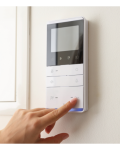

A tune-up now is almost always cheaper than an emergency no-heat call later. Same-day scheduling across all four counties we serve.
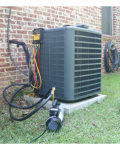

A furnace that isn’t inspected annually is a furnace nobody has checked for a carbon monoxide risk. Here’s what our full heating maintenance visit covers.



Ameriwest Home Services proudly partners with Greensky, Optimus Financing, and Service Finance to provide flexible HVAC financing options, ensuring you get the expert service you need with payment plans that suit your budget
Yes, follow the equipment’s preventive-care instructions even if the thermostat appears to be working normally. A service visit can review conditions that are not obvious from room temperature alone. The scope should match the system rather than promise that no future failure can occur. Review the maintenance membership if you want help organizing scheduled care.
Annual inspection and service of home heating equipment is a practical baseline supported by safety guidance, with equipment instructions and use considered as well. Schedule before heavy demand when possible. Cooling service is a separate seasonal responsibility. Coordinate AC maintenance and confirm an equipment-specific schedule so you understand the visits included.
No. A furnace has applicable combustion and venting considerations, while a heat pump needs checks suited to its electrical and refrigeration-based operation. Some filter, airflow and control concerns overlap. Use the heating service overview and tell the team which equipment you have so the quoted preventive visit does not assume every system needs the same tasks.
An active no-heat problem calls for diagnosis rather than assuming routine service will restore operation. Describe what the system does, when the issue began and any unusual smell or repeated shutdown. Use heating troubleshooting and repair for the relevant appointment. A tune-up may find a fault, but it should not hide the need for a separate repair scope.
No. Inspection and service do not replace working CO alarms. If a CO alarm sounds, get outside immediately and call 911; follow emergency responders’ instructions. Routine HVAC care comes afterward. Review heating service information for the ordinary care options, keeping immediate emergency response separate from scheduling a maintenance visit.
The summary should explain what was checked, what service was completed, any limits on access and what follow-up is recommended. Ask the technician to connect additional work to the findings. If the issue involves air delivery, ductwork service may be relevant; if equipment replacement is proposed, compare installation options separately from the preventive visit.
A tune-up does not guarantee a fixed bill reduction. Correcting a serviceable issue may improve operation, but weather, settings, energy prices and property conditions also affect costs. Ask what condition was found and what changed after service. Review indoor air quality assessment only if additional air or humidity concerns need their own evaluation.
Compare included visits, equipment coverage, payment conditions and any discount restrictions. Avoid assuming every repair or specialty component is covered. Read plan details and published offer terms before choosing. The comparison should be based on the actual service and agreements, not a universal claim that ongoing care pays for itself.
Seasonal furnace service by city: