Serving Los Angeles | Orange | Riverside | San Bernardino

Questions about ductwork repair & cleaning? Call (951) 574-1698 or send us a message and a real technician will get back to you.

Rooms that never quite cool or heat right, higher than expected energy bills, and dust that keeps returning are classic signs of leaking or dirty ductwork. AmeriWest inspects, seals, and cleans ductwork so the air your system produces actually reaches every room instead of leaking into the attic or walls. We serve homes and businesses across Orange County, Los Angeles County, Riverside County, and San Bernardino County, including Irvine, Riverside, Corona, Anaheim, Ontario, Huntington Beach, and more than 40 other cities.
Here’s how a ductwork inspection turns into noticeably better airflow.
Ductwork Inspection
We check for leaks, damage, and buildup throughout the system.
Sealing And Cleaning
Leaks get sealed and buildup gets cleared from every run.
Airflow Verification
We confirm airflow improved at the vents before we leave.
Leaky ductwork can lose 20 percent or more of your conditioned air before it ever reaches a vent, which shows up as higher bills and uneven temperatures room to room.
Dirty ductwork recirculates dust and allergens every time your system runs. Cleaning it out, along with sealing any leaks we find, is one of the most effective indoor air quality upgrades available.
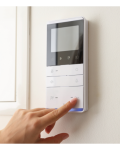

If one room is always hotter or colder than the rest, leaking ductwork is a common cause. Inspections across all four counties we serve.
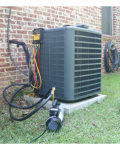

Ductwork problems are easy to miss because they’re hidden in attics and walls. Our process is built to find them anyway.



Ameriwest Home Services proudly partners with Greensky, Optimus Financing, and Service Finance to provide flexible HVAC financing options, ensuring you get the expert service you need with payment plans that suit your budget
Repair addresses damage, leakage or an air-delivery defect, while cleaning addresses material that the inspection shows needs removal. Uneven rooms or household dust alone do not prove which service is required. Ask the technician to show the findings and separate the scopes. If the equipment is also failing to cool, cooling diagnosis should be considered alongside the duct assessment.
Not automatically. EPA does not recommend routine duct cleaning on a universal schedule; the decision should be based on actual need. Ask what condition justifies the work and how the method suits your ducts. Use an indoor air quality assessment for broader concerns, while routine equipment maintenance follows a different purpose and schedule.
No such outcome should be guaranteed. Household particles can have multiple sources, and cleaning ducts has not been established as a general way to prevent health problems. Ask what the proposed work addresses and what other conditions need attention. Review the air quality service choices instead of assuming one cleaning service solves every indoor-air concern.
Leaks, disconnections or restrictions can affect air delivery, but building conditions and equipment problems can also cause uneven temperatures. The inspection should explain which factors are present rather than naming leakage from the symptom alone. If you are considering replacement equipment, coordinate the findings with the installation assessment so the proposed system and ducts are evaluated together.
No. A filter cannot reconnect a separated run, fix crushed ductwork or seal a leaking joint. Filtration and air distribution are different responsibilities even when they share the same HVAC system. Review filter upgrade assessment and purifier options only after the duct and airflow conditions are understood.
Ask what material was observed, which areas are accessible, how the duct construction affects the method and what work is included. Request an explanation of any chemical treatment rather than assuming it is required. Discuss the inspection findings and proposed scope before approving the work, and have access limitations documented so the service is not described as reaching concealed areas it cannot inspect.
Active military, veterans, firefighters, police, and EMTs receive 20% off any HVAC service with valid proof of service.
Keep the inspection-based duct work separate from the equipment’s regular service schedule. After justified repairs or cleaning, ask which condition was corrected and what should be monitored. Review cooling maintenance and membership coverage to plan aftercare. Do not assume a standard care plan includes all duct replacement, cleaning or contamination-related work.
Helpful next steps: