Serving Los Angeles | Orange | Riverside | San Bernardino

Cracked skin and static shocks every winter? Call (951) 574-1698 and ask our Riverside team which humidifier type fits your ducts and water.

Static shocks, cracked lips, a hardwood floor that gaps when the heater runs. Indoor air in the county is often dry in winter, and a portable tank only helps one room. A whole house humidifier installs into your existing HVAC system and ductwork and is run by a humidistat, so there is nothing to refill. We check your humidity first, pick the type for your water and ducts, and put the quote on paper. Call for pricing.
The unit matters less than these three decisions.
Pick the type
Steam, bypass or fan powered, matched to your ducts, power, drainage and water.
Plan for the water
Hard water leaves scale, so we plan the upkeep before you buy.
Set the humidistat
We calibrate and test it, then start low and adjust to your house.
Heating season strips moisture out of a house, and inland air often starts dry. Aim for indoor humidity of about 30 to 50 percent. Below that, skin, wood and throats complain. Above it, you invite condensation on windows and damp spots in corners.
The humidistat does the watching, so there is no tank to fill and no daily routine to remember.
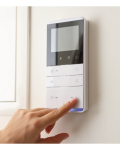

Too much humidity brings condensation and damp. That is why the humidistat matters, and why we start your setting conservatively and lower it if the windows begin to sweat.
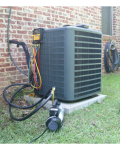

All three install into your existing system and ductwork. Steam units typically make moisture on demand and need power and a water line. Bypass units generally borrow airflow from the system, while fan powered units add their own blower for more output. The best choice depends on output, duct layout, power, water quality and drainage. A furnace humidifier works best when the system is in good shape, so see furnace maintenance.

Much of the county has hard water, and minerals do not evaporate. They settle as scale on the water panel or steam canister, gum up valves and drains, and cut output over time. That is why upkeep matters: panel or canister, mineral buildup, valve, drain and a humidistat test. Mention your water at a free air quality assessment, and we plan the type and upkeep around it.

Ideal indoor humidity is generally 30 to 50 percent. We calibrate and test the humidistat at installation and start conservatively. If condensation appears on windows, lower the setting. Oversized or poorly drained units can add too much moisture, so sizing and drainage are part of the job. If your problem is damp spots rather than dry air, look at dehumidifier installation instead.



Call for pricing on a humidifier. Monthly payments are available through our lending partners, and HVAC financing.

Our technicians are licensed and background checked. Humidity control is also part of our Platinum package, listed as built in, and Freedom Plan members save 10 percent on indoor air quality products.
Winter nights run cold on the Pass side in Beaumont, Banning and Calimesa. Temecula and Murrieta sit to the south, and Palm Springs and Indio are out in the desert. The water differs, so the plan does too.

Ideal indoor humidity is generally 30 to 50 percent. Lower than that, the air feels dry on skin and throats and can pull moisture from wood. Higher than that, you may see condensation on windows. We calibrate the humidistat at installation and start conservatively, then you adjust from there.
It installs into your existing HVAC system and ductwork and adds moisture to the air the system circulates. A humidistat monitors humidity and runs the unit, so there is no tank to refill. We assess humidity first, install into the ductwork, then calibrate and test the humidistat.
Often yes, since the unit installs into your existing HVAC system and ductwork. The right type depends on your system, duct layout, power, water quality and drainage. We assess the setup first and tell you if it fits. See our heating installation page if your furnace is due for replacement.
They differ in how they make and deliver moisture. Steam units typically make it on demand, bypass units generally use the system's airflow, and fan powered units add a blower for more output. No type wins everywhere. We choose based on output, duct layout, power, water and drainage.
Hard water leaves mineral scale on the water panel or steam canister, and it can clog valves and drains. Much of the county has hard water, so upkeep matters. Expect periodic maintenance and ask which type handles your water best. We plan for it during the assessment.
It can if it is oversized, poorly drained or set too high. Extra moisture shows up as condensation on windows. Start conservatively and lower the setting if you see it. That is why we size the unit, check drainage and test the humidistat as part of installation.
Call for pricing. The cost depends on the type, your duct layout, power, water supply and drainage, so the quote comes after an assessment. Our lending partners can spread the payments out.
Plan on periodic upkeep: the water panel or steam canister, mineral buildup, the valve and drain, and a humidistat test. How often depends on the type and your water. Bundle it with a tune up, such as our Freedom heating maintenance at $149 for a complete heating tune up.
Explore more from Ameriwest: